
Details
Inclusions
Safe Travel
Flexible Cancellation
Easy EMI
Certified Captains


One of the farthest northeastern states of India, Arunachal Pradesh is home to the mighty Himalayas, surreal valleys, and rugged terrains. Being far-flung from the rest of India, it remains one of the least visited states in the country. With no hordes of tourists or overcrowded spots, you can expect a peaceful and immersive travel experience here. Arunachal Pradesh is also known as “The Land of Dawn-Lit Mountains.”
We begin our 6-night, 7-day trip to Tawang from Guwahati. Guwahati, known as "The City of Eastern Light," stands on the southern banks of the mighty Brahmaputra River. It is the capital of Assam and serves as the gateway to the entire northeastern region. Surrounded by hills and the Brahmaputra River, Guwahati boasts rich and diverse flora and fauna, enhancing its natural scenic beauty. Our next stop is Bhalukpong, a small town that serves as the gateway to western Arunachal Pradesh. Situated on the Assam-Arunachal Pradesh border, it is surrounded by captivating hills and lush forests. Bhalukpong is famous for the Kameng River, which flows through the Bhalukpong Valley and is considered one of the most beautiful rivers in Arunachal Pradesh. Dirang is a picturesque village in Arunachal Pradesh, located in the West Kameng district. Situated on the banks of the Jia Bharali River at an altitude of 4,900 feet, Dirang offers a tranquil retreat. Here, you can take a peaceful walk through the village and immerse yourself in the breathtaking natural surroundings.
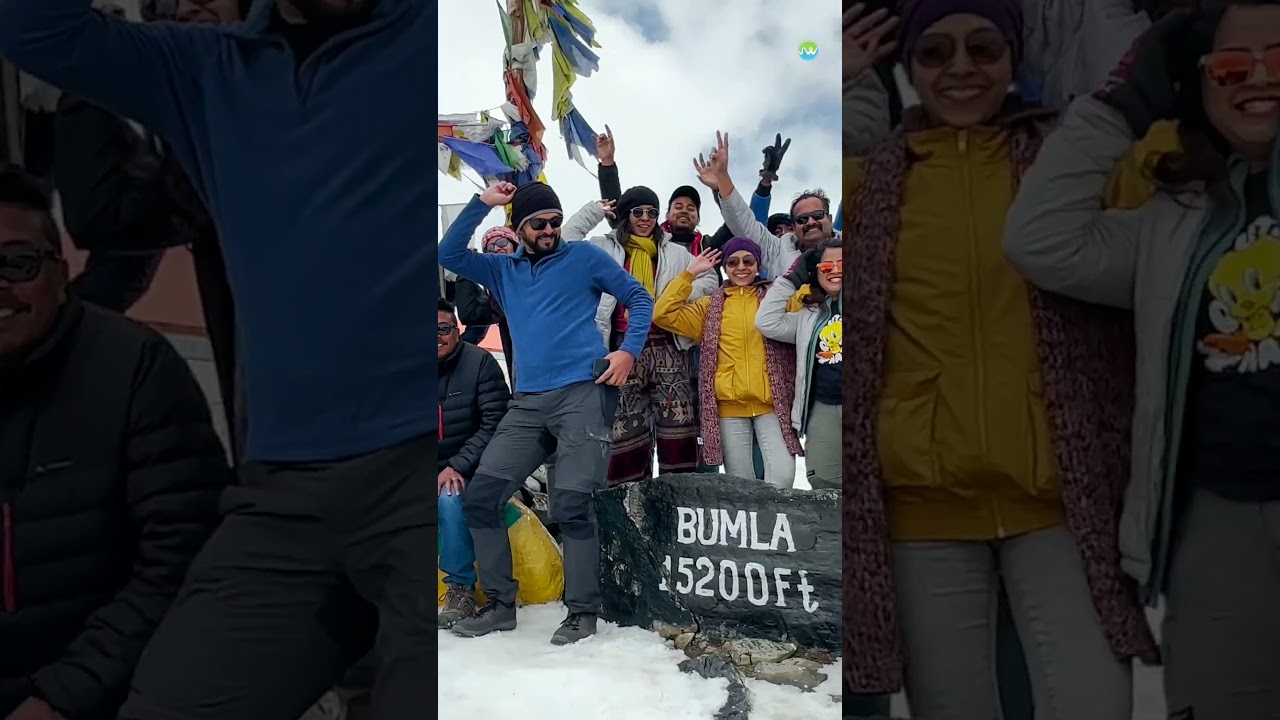
Sangestar Tso, also known as PTSO Lake, is one of the highest-altitude lakes in India and the world, sitting at an elevation of 15,200 feet. It is located on the route from Tawang to Bumla Pass and is a must-visit for nature enthusiasts.
The next destination on our itinerary is Tawang, situated at an altitude of 10,000 feet. Tawang’s unmatched natural beauty will leave you awestruck. One of its iconic attractions is the Tawang Monastery, the largest monastery in India. While traveling to Bomdila, we will also visit the Kiwi Garden. Bomdila, a charming town in the West Kameng district, is home to the magnificent Bomdila Monastery, one of the most beautiful monasteries in Arunachal Pradesh. The monastery also offers a breathtaking bird’s-eye view of Bomdila Town. The ideal time to visit Arunachal Pradesh is during the summer months, from April to June, when the valleys come alive with wildflowers and lush greenery, and the weather remains pleasant. For those who want to experience Arunachal Pradesh in winter, October to February is the best time to witness snow-covered landscapes and majestic mountains.
Day
Day
Day
Day
Day
Day
Day
Weekend
Getaways
18-38
Himalayan
Treks
18-48
Backpacking
Trips
18-40
Biking
Trips
18-45
Customized
Trips
No Limit
Select Occupancy
* +5% GST

All sightseeing as per the itinerary.
Accommodation in the above-mentioned hotels or similar category hotels with base category rooms.
Daily breakfast at hotels (CP Plan).
Vehicle provided for all transfers and sightseeing.
Parking and toll charges
Driver allowance
Fuel charges
Inner Line Permit (ILP)


| Upto 30 days | 29-21 days | 21-15 days | 14-0 days | |
|---|---|---|---|---|
| Batch Shifting | ||||
| Cancellation Charge | Free Cancellation | 25% of the Trip Amount | 50% of the Trip Amount | 100% of the Trip Amount |
| Booking Amount | Refunded in mode of Credit Note | Adjusted in Refund Deduction | Adjusted in Refund Deduction | No Refund |
| Remaining Amount | Full Refund (minus) booking amount | Refund (minus) 25% of the trip amount | Refund (minus) 50% of the trip amount | No Refund |
| Upto 30 days | 29-21 days | 20-15 days | 14-7 days | |
|---|---|---|---|---|
| Booking Amount | ||||
| 50% Payment | Optional | Compulsory | — | — |
| 75% Payment | Optional | Optional | Compulsory | — |
| 100% Payment | Optional | Optional | Optional | Compulsory |
Booking amount is non-refundable in cash and is adjusted per the cancellation policy above. Remaining balance must be paid as per the schedule for your batch date.
Imagine a place where the skies kiss snow-capped peaks, prayer flags flutter in the crisp mountain breeze, and ancient monasteries echo with the chants of monks. Welcome to Tawang—a breathtaking town nestled in the northeastern state of Arunachal Pradesh. Often dubbed the “Land of the Dawn-lit Mountains,” Tawang is an unexplored paradise that promises adventure, spirituality, and natural beauty in equal measure. If you're planning a trip to this mystical destination, here’s everything you need to know to make your journey unforgettable.
Follow this Tawang bike trip itinerary, for the best experience of a Tawang trip.
Getting to Tawang is an adventure in itself. The town is perched at an altitude of about 10,000 feet, and the journey to this remote location is both challenging and exhilarating. There are a few ways to reach Tawang, and each route offers its own unique experience.
• By Air: The nearest airport is in Tezpur, Assam, located around 317 kilometers from Tawang. However, flights to Tezpur are limited. A more convenient option is to fly to Guwahati, which is well-connected to major Indian cities. From Guwahati, you can embark on a road trip to Tawang, which is about 450 kilometers away.
• By Train: The nearest railway station is at Tezpur, but the more practical option is to take a train to Guwahati and then continue your journey by road. The train journey through Assam’s lush landscapes is a treat in itself.
• By Road: The road trip from Guwahati to Tawang is an experience you’ll cherish forever. You’ll pass through scenic valleys, dense forests, and quaint villages, with the mighty Himalayas as your constant companion. The Sela Pass, one of the highest motorable passes in the world, is a highlight of this journey. You can take this route for a memorable experience on a bike.
Here is How To Reach Tawang explained.
Tawang is a treasure chest full of sights and experiences. Here are some must-visit places that should be on your itinerary:
• Tawang Monastery: The heart and soul of Tawang, this 17th-century monastery is the largest in India and the second largest in the world. With its vibrant murals, ancient scriptures, and awe-inspiring architecture, the monastery offers a serene spiritual retreat.
• Sela Pass: At an altitude of 13,700 feet, the Sela Pass is a breathtaking gateway to Tawang. The pass is often covered in snow, and the views of the surrounding mountains are nothing short of spectacular. Don’t miss the beautiful Sela Lake, which freezes over in winter, adding to the ethereal charm.
• Nuranang Waterfall: Also known as the Jang Waterfall, this 100-meter-high cascade is a sight to behold. The thunderous sound of the water crashing down amidst lush greenery creates a mesmerizing ambiance that will leave you spellbound.
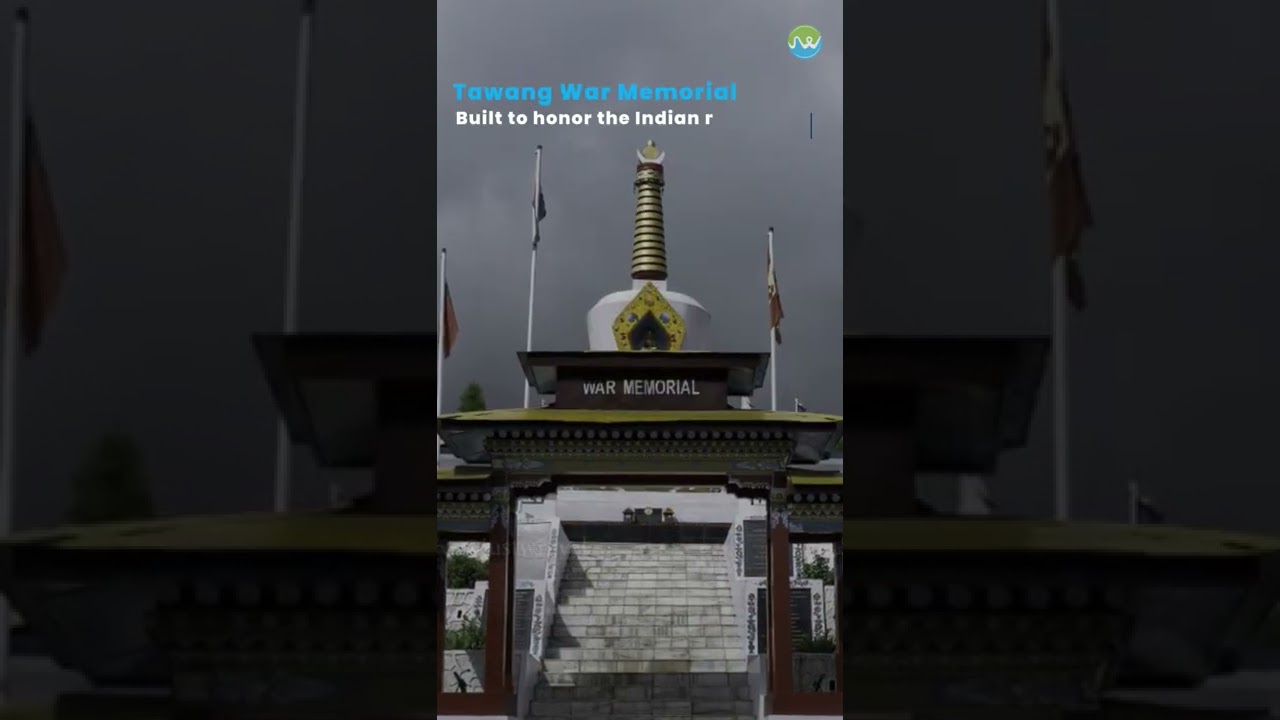
• Tawang War Memorial: A poignant reminder of the bravery of Indian soldiers, the Tawang War Memorial is dedicated to those who lost their lives during the 1962 Sino-Indian War. The 40-foot-tall memorial is surrounded by scenic views, making it a place of reflection and reverence.
• Madhuri Lake: Named after Bollywood actress Madhuri Dixit, who shot a famous song here, this pristine lake is a hidden gem. Surrounded by snow-capped peaks and pine forests, the lake’s crystal-clear waters reflect the beauty of the surrounding landscape.
Remember to read the Best Places to Visit in Tawang You Shouldn’t Miss.
Tawang offers a plethora of activities that cater to every type of traveler, whether you’re an adrenaline junkie or a seeker of tranquility.
• Trekking: The rugged terrain of Tawang is a trekker’s paradise. Popular trekking routes like the Gorichen Base Camp Trek and the Tawang to Bumla Pass Trek offer stunning vistas and the thrill of exploring uncharted territories.
• Attend the Tawang Festival: If you’re visiting in October, don’t miss the Tawang Festival, a celebration of the region’s rich culture and heritage. The festival features traditional dances, music, handicrafts, and mouth-watering local delicacies.
• Meditate in Monasteries: Take some time to meditate in the peaceful monasteries of Tawang. The tranquil atmosphere, coupled with the spiritual energy of these ancient sites, makes for a deeply enriching experience.
• Explore Local Markets: Wander through Tawang’s local markets and pick up souvenirs like traditional handicrafts, prayer flags, and woolen shawls. Interacting with the friendly locals is an experience in itself.
• Try Food in Tawang: In Tawang, savor the taste of authentic Tibetan dishes like steaming momos and rich thukpa, served with the warmth of local hospitality. Don’t miss trying Zan, a traditional Monpa staple, for a true flavor of the region!
Tawang is a year-round destination, but the experience varies with the seasons. Here’s a breakdown to help you decide when to visit:
• Summer (March to June): This is the best time to visit Tawang if you prefer mild weather and blooming landscapes. The temperature ranges from 5°C to 21°C, making it ideal for sightseeing and outdoor activities.
• Monsoon (July to September): While Tawang receives moderate rainfall, the roads can become challenging due to landslides. However, the lush greenery and misty landscapes are a sight to behold for those who don’t mind a bit of adventure.
• Winter (October to February): If you’re a fan of snow, winter is the time to visit Tawang. The town transforms into a winter wonderland, with temperatures often dropping below freezing. The Sela Pass and surrounding areas are blanketed in snow, creating a surreal, otherworldly experience. However, make sure you’re prepared for the cold, as it can get quite intense.
Read further to know about the Best Time to Visit Tawang.
Before you embark on your journey to Tawang, here are a few tips to ensure a smooth and enjoyable trip:
• Acclimatize: Tawang’s high altitude can cause altitude sickness. Take it easy on your first day and stay hydrated.
• Carry Warm Clothing: Even in summer, the temperatures can drop, especially at night. Pack plenty of layers, including thermal wear, gloves, and a good-quality jacket.
• Permits: Foreign tourists require a Protected Area Permit (PAP), and Indian tourists need an Inner Line Permit (ILP) to enter Arunachal Pradesh. Make sure you obtain these permits in advance.
• Cash is King: ATMs are scarce in Tawang, and card payments are not always accepted. Carry enough cash for your trip.
• Plan for Extra Time: The weather in Tawang can be unpredictable, and road conditions can cause delays. Build some buffer time into your itinerary.
Tawang is not just a destination; it’s an experience that stays with you long after you’ve returned home. Whether you’re gazing at the towering peaks, exploring ancient monasteries, or simply soaking in the serenity, Tawang promises a journey of discovery, adventure, and spiritual awakening. So, pack your bags and get ready to explore this hidden gem of the Northeast!
Read More: Tawang FAQs Answered
VIDEOS
REVIEWS

Aishwarya
Amazing team! I gave a customized itinerary for my Thailand trip, Ansh made all the arrangements accordingly! The entire team provided full support until the end of this trip! I'm super happy!

Thailand Tour Package – Bangkok, Pattaya & Coral Island (4N/5D)
Try Yourself
Manisha Sharma
1) I went on my first international trip through justwravel to Maldives.and it was the amazing trip i ever had. Everything was so sorted that I just had to take care of my passport nothing else. Ankit (justwravel) has he...

Maldives Tour Package - Paradise Island Resort & Spa (3N/4D)
Try Yourselfblogs
TRIPS

Newsletter
Be the first one to know all about the Exciting Offers, Travel Updates and more.


