Details
Inclusions
Safe Travel
Flexible Cancellation
Easy EMI
Certified Captains


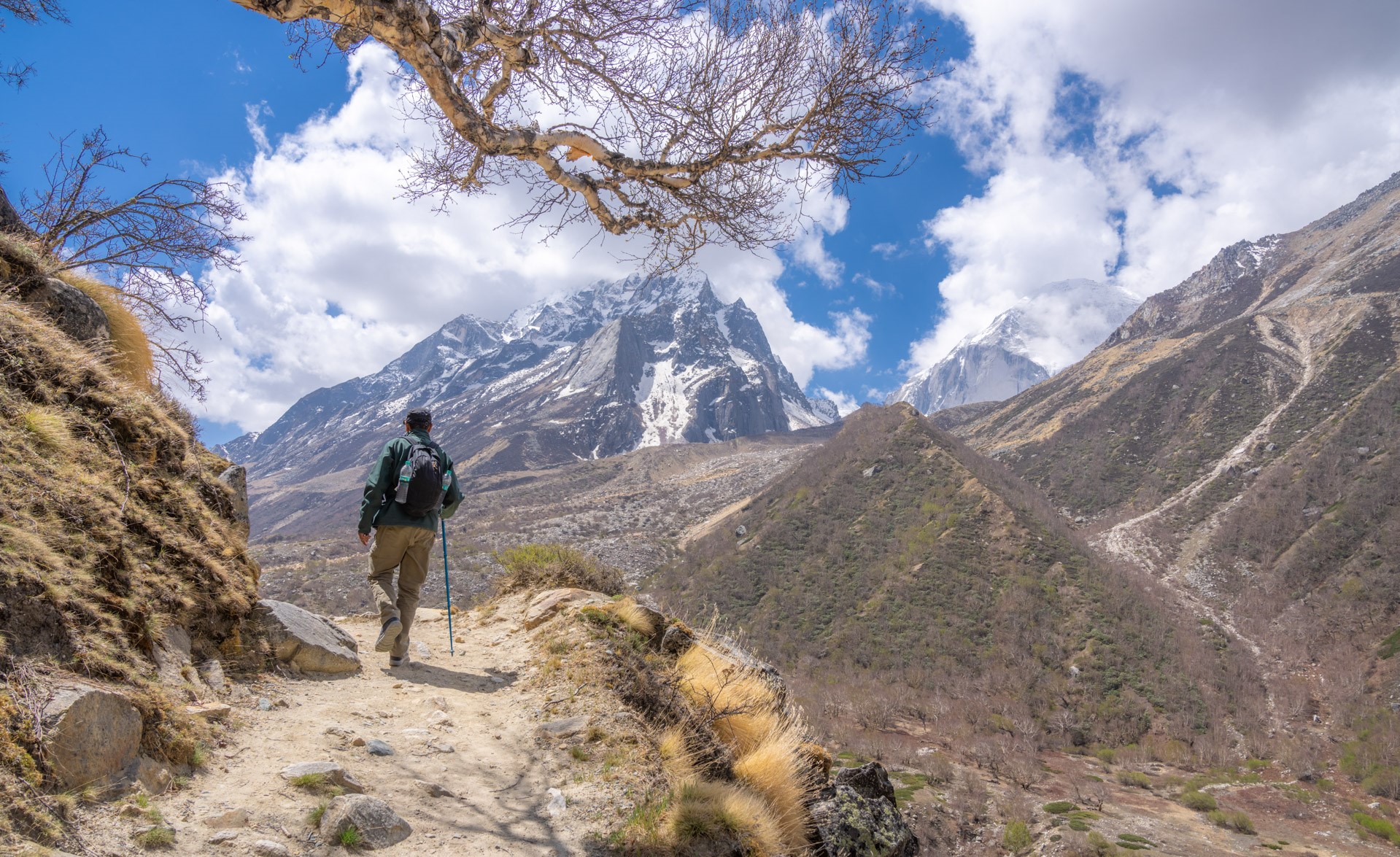
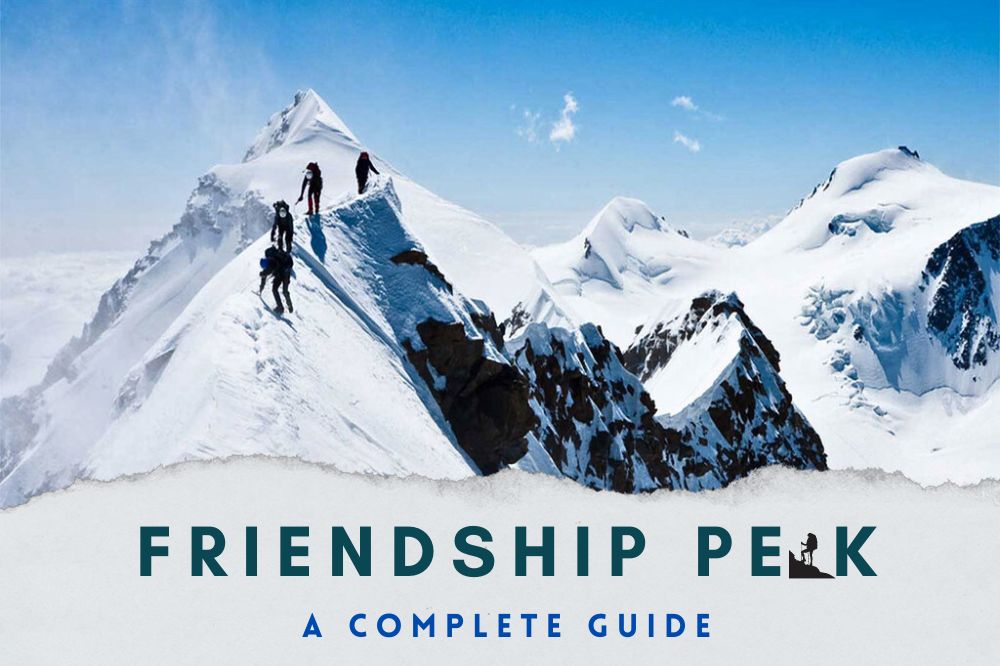
Nestled in the Kullu region of Himachal Pradesh, at an altitude of 17,345 ft, The Friendship Peak offers stunning views of Himalayan Peaks with the Pir Panjal and Dhauladhar ranges being the most prominent ones. Apart from the visual treat that is the panoramic view of these mountains, it also offers a breathtaking view of the pristine Solang Valley. A 7-day long trek that takes you through mystical trails, alpine meadows, moraines, boulders, and glaciers all at once, the Friendship Peak Trek is a thrilling adventure that you simply can't miss out on. Even though Friendship Peak is a challenging one, making it fall under the difficult category, it is also one of the most rewarding Himalayan Treks that you will embark on.
The name of the peak indeed does justice to the relationship the trekkers have with it. The thrill and the adventure that this trek has to offer at a comparatively easier climate and altitude. It is as beautiful as a place can be, and the moment you will lay your eyes on it – You’ll know you fell in love. Passing through the stones, edgy cut, beautiful waterfalls and rivers, and climbing mountains that feel like they are floating among the clouds. The whole experience of trekking to Friendship Peak is mind-blowing. Having Maggi with your friends at the friendship peak is just the kind of plan to make you jump out of bed. It has the raw and pure factor which is quite rare to find, with the beautiful glaciers, Oak forests, wonderland of snow, lush green valleys, and all the goodness.
As rightfully said nothing great comes easy, so this is true for this trek. It is a challenging trek, which also requires fitness along with some prior experience. The best months to visit this beautiful Friendship Peak Trek are the months of May and June if you are seeking to climb up in a snow-covered wonderland. In addition, the post-monsoon months such as September and October are the best if you are a thrill-seeker as the terrain is mostly rocky. The weather is clear and beautiful, allowing you to have a glance at the scenic beauty without any obstacle.
Day
Day
Day
Day
Day
Day
Day
Weekend
Getaways
18-38
Himalayan
Treks
18-48
Backpacking
Trips
18-40
Biking
Trips
18-45
Customized
Trips
No Limit
Select Occupancy
* +5% GST

Meals: All veg meals from Day 1st Dinner to Day 7th Lunch.
Stays: 1 Night Hotel Accommodation in Manali on Triple sharing basis &5 Nights Tented Accommodation on a Double sharing basis.
Camping logistics: (Tent, Utensils, Sleeping bags, Mattress, Dining tent, Toilet tent).
Trekking Equipment : ( Micro Spikes, Gaiters, Seat Harness , Carabineers , Pulley ,Ice Axe , Rope and other technical gears used for Climbing).
Safety Equipment : Basic First Aid Kit with Oximeter, Blood Pressure Monitor, Oxygen Cylinder and Stretcher.
Trek Leader: Mountaineering Qualified and Experienced Trek Leader and Support Staff.
Snacks: Morning / Evening Tea / Coffee with light snacks.
Permits: All necessary fees and permits (for Indians).
Transportation: Surface transfer from Manali - Dhundi - Manali .
Guide: Guide ratio (Depends on the group size).
Others: Mules and Porters for carrying central luggage (Tents, Ration ,Equipment and other stuff).


| Upto 21 days | 20-15 days | 14-8 days | 7-0 days | |
|---|---|---|---|---|
| Batch Shifting | ||||
| Cancellation Charge | Free Cancellation | 25% of the Trip Amount | 50% of the Trip Amount | 100% of the Trip Amount |
| Booking Amount | Refunded in mode of Credit Note | Adjusted in Refund Deduction | Adjusted in Refund Deduction | No Refund |
| Remaining Amount | Full Refund (minus) booking amount | Refund (minus) 25% of the trip amount | Refund (minus) 50% of the trip amount | No Refund |
| Upto 21 days | 21-15 days | 14-08 days | 07-03 days | |
|---|---|---|---|---|
| Booking Amount | ||||
| 50% Payment | Optional | Compulsory | — | — |
| 75% Payment | Optional | Optional | Compulsory | — |
| 100% Payment | Optional | Optional | Optional | Compulsory |
Booking amount is non-refundable in cash and is adjusted per the cancellation policy above. Remaining balance must be paid as per the schedule for your batch date.
The Friendship Peak Trek begins and concludes in Manali. There are various transportation options available for those traveling to Manali for the trek.
• By Air: The closest airport to Manali is Kullu Bhuntar Airport, with the airport code KUU, situated 50 km away. Upon arrival, you can hire a taxi to reach Manali.
• By Rail: While Manali lacks a railway station, you can disembark at Joginder Nagar Railway Station, located 162.6 km away, and then take a taxi to reach Manali. Alternatively, you can opt to alight at Chandigarh or Ambala and then catch a bus to Manali if you prefer train travel.
• By Bus: The most affordable and convenient way to reach Manali is by road. Manali is well-connected to various cities such as Delhi (540km), Chandigarh (305km), Ambala (370km), and Dehradun (227km) through roads, with numerous private buses operating to and from different parts of the state.
If you are thinking about going on the Friendship Peak Trek, the best time to go is between June and October. The first few months of the year, from June to August, allow you to see snowy peaks and experience the beauty of snowfall. For those looking for more excitement, September and October, post-monsoon season, offer the greatest opportunity as the landscape changes to rocky terrain. You will have clear weather and amazing views of the surroundings to enjoy. Because of the high elevation of this trek, it is advised against embarking on the hike during severe winter weather conditions due to the heavy snowfall in the area and the increased difficulty of navigating the terrain. The monsoon season is also not recommended as the slopes can become slippery, adding to the challenges faced during the Friendship Peak Trek. In terms of timing, October is considered the ideal month to undertake the Friendship Peak Trek as it occurs after the monsoon season, providing access to the finest Himalayan trails leading to Friendship Peak.
Choosing the right trek is easy, but selecting the right trekking company is the real challenge, especially when venturing into the remote areas of the Himalayas. The experience and credibility of a trekking organization are crucial factors you need to consider. We understand these concerns, and that’s why we want to show you why JustWravel is your ideal trekking partner for the Friendship Peak Trek.
Put on your Shark Tank sunglasses because, after our pitch, you'll be eager to pack your bags for the Friendship Peak Trek!
• The Safest Travel Community in India: For us, safety comes first, and the fun, adventure, and thrill of a trek come later.
• From the Mountains with Love: Yes, that’s us. Most of our trekking coordinators are from the mountains; they share year-round knowledge of how pahadi life is. Nobody knows the mountains better than the people who have grown up playing on its slopes. To ensure you have the safest and most enthralling experience, we make sure to hire local guides. Most of our vendors are also natives, which assures an exchange of healthy and profitable business on both ends.
• Certified Trek Captains: Our Trek Captains are both BMC and AMC (Advanced Mountaineering Course) certified and are highly skilled medics. They know every nook and cranny of the trail and are equipped with extensive knowledge to handle any situation.
• The Experience of Years: Our knowledge is not merely theoretical. We ventured into the mountains years ago, and through our experiences, we’ve learned valuable lessons that we pass on to our trekkers.
• Taking What We Took There: This is what sets us apart in the market. We never litter the mountains. What we bring to the mountains, we take back for sure. Read below to learn more about our Keep The Trails Alive campaign.
Don’t be a Crap Bag
You are in nature’s lap
Kindly take that garbage back
If you’re wondering what our Keep the Trails Alive campaign is all about, it’s simple: without proper management, many sacred mountains are facing littering due to over-tourism. As responsible trekkers, we will never let that happen. If you’re trekking with JustWravel, you need to ensure that everything you carry in, you carry out. We will never leave anything behind except our love and a piece of our hearts for the majestic views we experience.
• Reusable: Always carry your own water bottle and cutlery to reuse them.
• Carry Out What You Carry In: Always pack out all your waste, including food wrappers, bottles, tissues, and sanitary items. Never leave anything behind.
• Use Toilet Tents and Dig Pits: Bury human waste in deep pits (6+ inches) to prevent contamination. Dispose of toilet paper and sanitary waste in your trash bag.
• Manage Food Waste Carefully: Bury leftover food and peels away from water sources. Avoid feeding wildlife to prevent dependency.
• Dispose of Waste Properly: Carry out all waste and dispose of it responsibly at designated collection points or in towns. Avoid burning waste.
• Avoid Polluting Water Sources: Wash dishes, clothes, and yourself away from streams and lakes. Use biodegradable soap sparingly.
• Educate Yourself and Others: Learn local waste management practices and follow them. Teach fellow trekkers and porters about responsible disposal.
Dry Pits
Dry pits are a crucial waste management solution in trekking environments, particularly in remote areas where traditional plumbing is unavailable. These systems consist of deep holes dug into the ground, designed to safely contain human waste. The primary benefit of dry pits is their ability to facilitate the natural decomposition of waste, which minimizes the environmental impact associated with human activity in pristine natural areas. By using dry pit systems, trekkers help protect water sources from contamination. The implementation of dry pits not only improves hygiene for trekkers by providing designated areas for sanitation but also promotes awareness and education about sustainable practices within local communities.
Bathing
While the idea of bathing after a long day of trekking may seem appealing, it is generally discouraged for several important reasons. As trekkers ascend to higher altitudes, they encounter significantly colder temperatures, especially at night. Bathing in cold water can lead to rapid heat loss, particularly in vulnerable areas such as the legs and head, increasing the risk of hypothermia. Additionally, access to bathing facilities is often limited in remote trekking areas, making it impractical and unsafe. Engaging in bathing can also cause the body to expend extra energy to maintain its core temperature, which may hinder the acclimatization process necessary for high-altitude trekking. Instead, most trekking itineraries include a stop at a base camp where trekkers can enjoy warmer conditions and facilities for bathing, allowing for a more comfortable and safer experience.
Bonfire
Bonfires are typically prohibited during treks for several compelling reasons that prioritize environmental conservation and safety. One of the main concerns is the environmental impact of gathering firewood, which can lead to deforestation and habitat destruction in ecologically sensitive areas. Removing wood from these environments disrupts local ecosystems and can have long-lasting effects on biodiversity. Additionally, open fires pose a significant risk of attracting wildlife, including potentially dangerous animals such as bears. The smell of food and smoke can draw these creatures closer to campsites, increasing the likelihood of dangerous encounters for trekkers.
Vegetarian Food
Providing vegetarian meals during treks is a deliberate choice that offers numerous benefits. Vegetarian food is generally easier to store and prepare in remote areas, as ingredients like lentils, beans, and grains have longer shelf lives and require less refrigeration. This practicality is crucial in environments where access to resources is limited. Additionally, vegetarian meals minimize the risk of attracting wildlife to campsites, which can be a significant safety concern. Non-vegetarian food can draw animals closer, creating potential dangers for trekkers. Vegetarian meals can be highly nutritious, offering essential vitamins, minerals, and protein that are vital for sustaining energy during physically demanding treks. Ingredients such as nuts, seeds, and legumes are energy-dense and provide the necessary fuel for trekkers. Lastly, vegetarian cuisine can be diverse and flavorful, incorporating local ingredients and spices that enhance the trekking experience, allowing trekkers to enjoy a variety of delicious dishes while minimizing their environmental impact.
Plan B and C
Having contingency plans, often referred to as Plan B and C, is a vital aspect of trekking, especially in mountainous regions where conditions can change unexpectedly. The weather in these environments can be unpredictable, with storms, snow, or high winds potentially altering planned routes. By preparing alternative plans, trekkers can adapt to changing conditions and ensure their safety. Experienced trekking organizations emphasize the importance of these backup plans, as they allow for swift responses in the event of emergencies, such as injury or illness. This adaptability is crucial for maintaining the safety and comfort of all participants. With years of trekking experience, guides develop a keen understanding of the mountains and can assess conditions effectively, ensuring that trekkers remain safe and comfortable throughout their journey. Ultimately, being prepared with multiple plans enhances the overall trekking experience, allowing trekkers to enjoy their adventure with the confidence that they can navigate any challenges that may arise.
Acclimatization
Acclimatization is a critical process that allows trekkers to adjust to the physiological changes that occur when ascending to high altitudes. As trekkers gain elevation, the body must adapt to decreased oxygen levels and lower atmospheric pressure to prevent altitude sickness, which can occur if one ascends too quickly without allowing sufficient time for adjustment. Effective acclimatization involves a gradual ascent, ideally limiting elevation gain to no more than 300-500 meters (about 1,000-1,600 feet) per day above 3,000 meters (approximately 9,800 feet). This slow increase allows the body to adapt to the changing environment. Staying well-hydrated is also essential, as dehydration can exacerbate symptoms of altitude sickness; trekkers should aim to drink at least 3-4 liters of water daily. Incorporating rest days at higher altitudes is another important strategy, as these days allow the body to adjust while engaging in light activities. Trekkers should also be attentive to their bodies, recognizing the signs of altitude sickness, which may include headaches, nausea, dizziness, and fatigue. If symptoms arise, descending to a lower altitude is often the most effective course of action. Lastly, consuming a balanced diet rich in carbohydrates can help provide the energy needed for acclimatization, with foods that are easy to digest and high in calories being particularly beneficial during treks. Understanding and implementing these key aspects of acclimatization can significantly enhance the safety and enjoyment of trekking experiences in high-altitude environments.
View
VIDEOS
REVIEWS

Anurag Bhardwaj
The Kashmir Great Lake Trek with Just Wravel was an absolute dream come true. Words can't fully capture the emotions I felt while exploring the mesmerizing landscapes and immersing myself in the local culture. This journ...

Kashmir Great Lakes Trek
Try Yourself
Aman Agrawal
I recently embarked on the epic Kashmir Great Lakes trek with these adventure wizards, and it was like stepping into a real-life fairy tale. The team at Justwravel knows how to throw a party in the wilderness! From the j...
Kashmir Great Lakes Trek
Try Yourselfblogs

Newsletter
Be the first one to know all about the Exciting Offers, Travel Updates and more.